
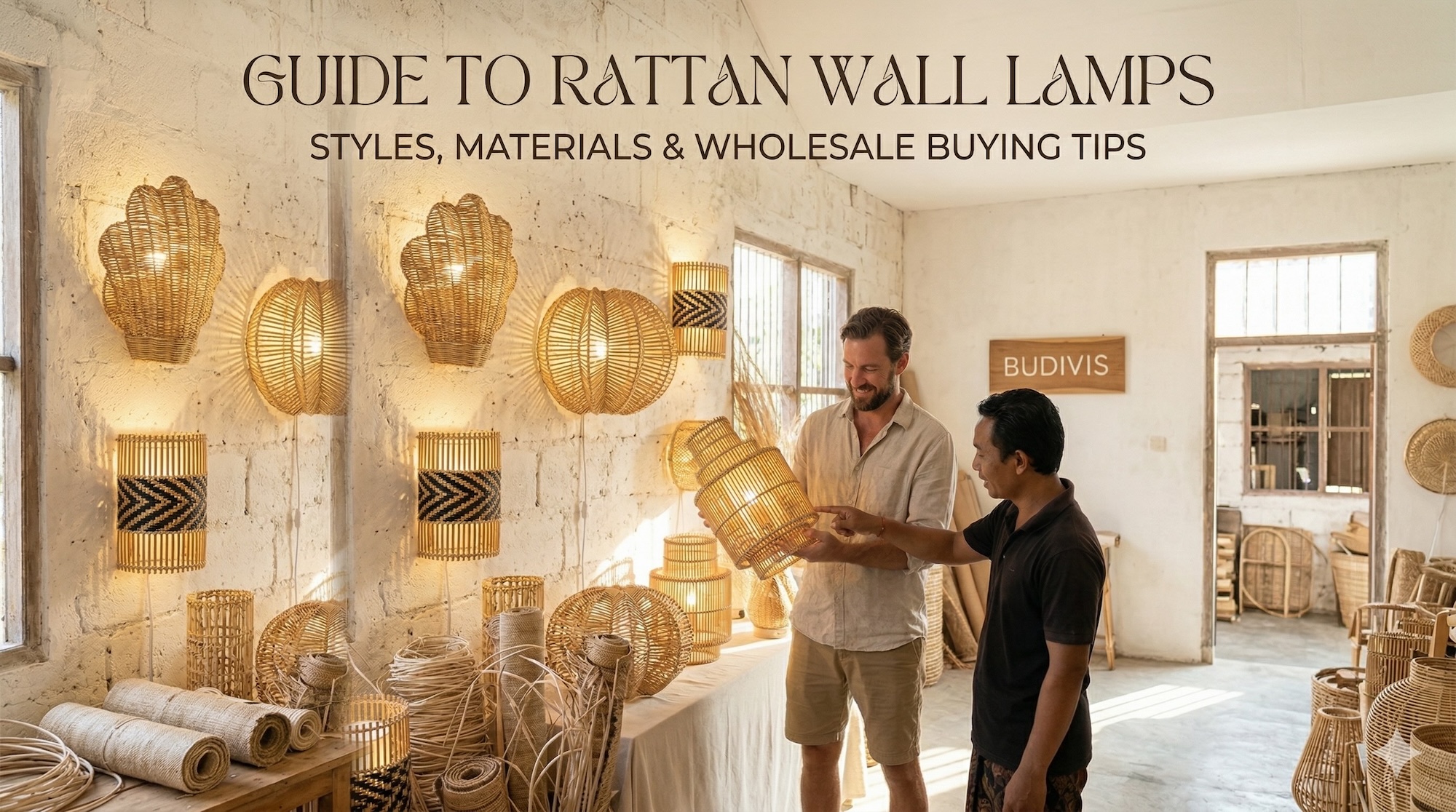

Rattan wall lamps have become one of the most in-demand lighting products in global interior design. From boho homes in Europe to tropical villas in Bali, these natural lighting fixtures offer a perfect balance between aesthetics, sustainability, and functionality.
For importers, wholesalers, and interior project buyers, understanding rattan wall lamps is essential to choosing the right products that match market demand and deliver strong resale value.
In this guide, we’ll break down everything you need to know—from styles and materials to practical wholesale buying strategies.
What Is a Rattan Wall Lamp?
A rattan wall lamp is a handwoven lighting fixture made from natural rattan or bamboo, designed for wall mounting. Unlike standard lighting, these lamps are valued not only for illumination but also for their decorative impact and natural texture.
They are widely used in:
- Residential homes
- Villas and resorts
- Restaurants and cafes
- Hospitality and commercial interior projects
The key selling point?
They create warm ambient lighting with beautiful shadow patterns, making them both functional and artistic.
Popular Rattan Wall Lamp Styles
Understanding styles is crucial if you are targeting international buyers or specific interior trends.
1. Boho Style Rattan Wall Lamps
- Organic shapes
- Loose weaving patterns
- Relaxed and artistic feel
Highly popular in US and European markets
2. Tropical & Coastal Design
- Inspired by nature and island living
- Light, airy weaving
- Natural colour tones
Perfect for resorts, villas, and beach clubs
3. Modern Minimalist Rattan Lamps
- Clean lines and geometric shapes
- Structured weaving
- Often combined with neutral interiors
Growing demand in urban and Scandinavian markets
4. Artistic & Sculptural Designs
- Unique shapes (oval, layered, abstract)
- Statement lighting pieces
- High perceived value
Ideal for premium interior projects
If you’re selecting products for resale, combining multiple styles gives you broader market coverage.
Rattan vs Bamboo: Understanding Materials
Many buyers confuse rattan and bamboo—but they have different characteristics that affect pricing and durability.
Rattan
- Flexible and easy to weave
- Smooth texture
- Ideal for intricate designs
Bamboo
- Strong and rigid
- More structured look
- Often used for frames or linear designs
Most wall lamps use a combination of both materials to achieve strength and aesthetic balance.
Why Handmade Matters (Especially from Bali)
Handmade rattan wall lamps—especially from Bali—offer a significant advantage over mass-produced alternatives.
Key Benefits:
- Unique craftsmanship (no two pieces are identical)
- Higher perceived value for customers
- Strong storytelling for branding
- Better appeal for eco-conscious markets
Bali has become a global hub because of:
- Skilled artisans with generations of experience
- Access to high-quality natural materials
- Competitive production costs
This combination makes Bali one of the top sources for rattan wall lamp wholesale supply
Lighting Effect: More Than Just Decoration
One of the biggest selling points of rattan wall lamps is the lighting effect they create.
When lit, the woven structure produces:
- Soft, warm glow
- Natural shadow patterns on walls
- Cozy and relaxing atmosphere
This is why they are widely used in:
- Bedrooms
- Living rooms
- Hospitality spaces
For buyers, this means high emotional appeal = higher selling potential
Wholesale Buying Tips (Important for Importers)
If you’re sourcing rattan wall lamps for resale or projects, these factors are critical:
1. Understand MOQ (Minimum Order Quantity)
- Most suppliers require MOQ for wholesale pricing
- Lower MOQ may come with higher price per unit
Always balance MOQ vs market testing
2. Check Product Consistency
- Handmade products vary slightly
- Ensure supplier has quality control system
3. Evaluate Pricing Structure
Factors affecting price:
- Design complexity
- Material quality
- Size and dimensions
- Finishing details
More intricate designs = higher margin potential
4. Shipping & Logistics
- LCL (Less than Container Load) → flexible but higher cost per CBM
- FCL (Full Container Load) → best for scaling
Always calculate landed cost, not just product price
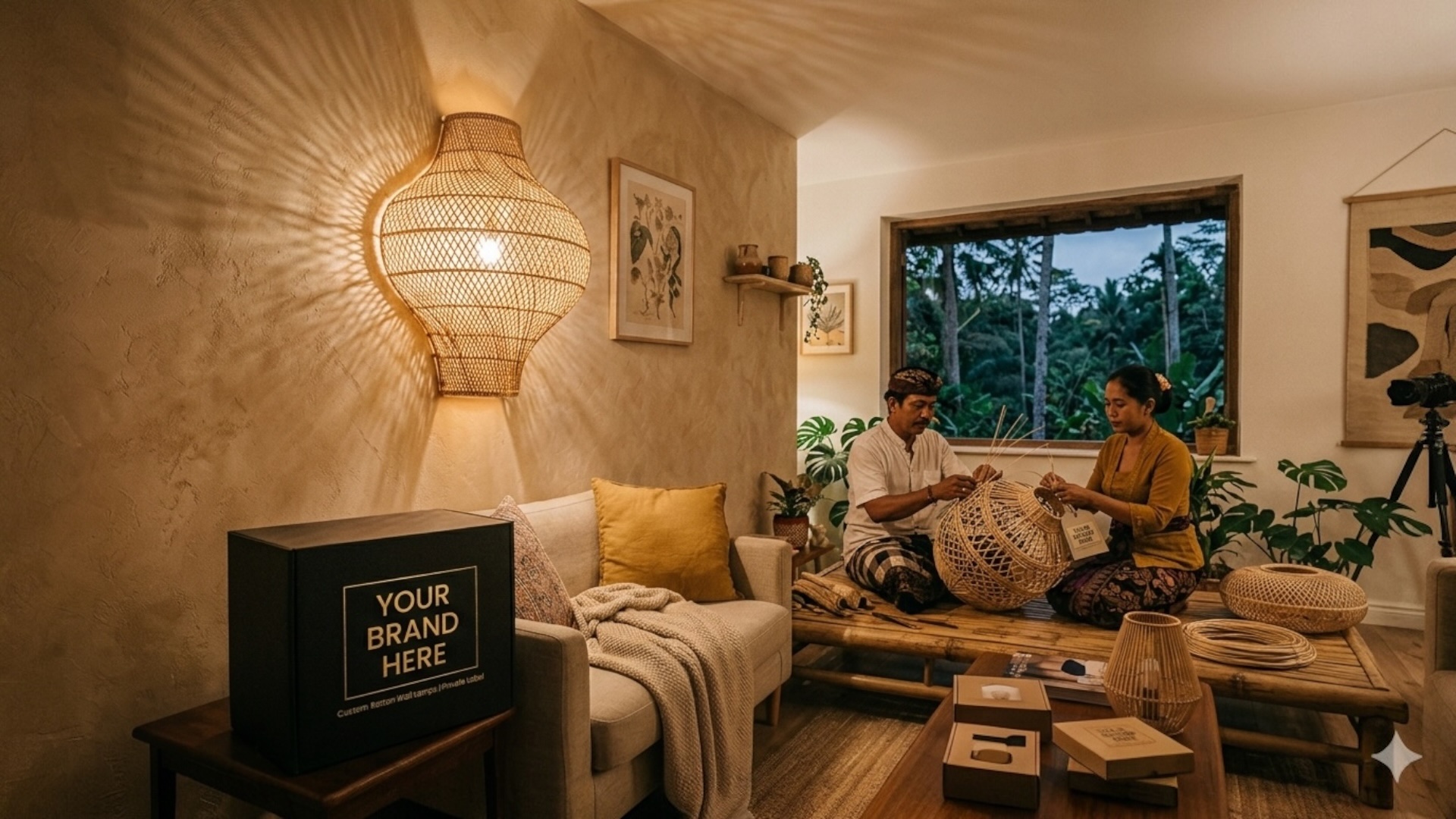
5. Customisation & Private Label
For long-term growth, choose suppliers that offer:
- Custom designs
- Branding (private label)
- Custom packaging
This allows you to build your own brand instead of just reselling
Best Use Cases for Rattan Wall Lamps
These products are extremely versatile, making them attractive for multiple buyer types:
Residential Market
- Home decor stores
- Online marketplaces
- Interior stylists
Hospitality Projects
- Hotels
- Resorts
- Villas
- Restaurants
Commercial Use
- Cafes
- Retail spaces
- Spa & wellness centres
The wider the application, the bigger your potential market
Why Rattan Wall Lamps Are a Strong Wholesale Product
For importers and distributors, rattan wall lamps check all the right boxes:
- High demand in global markets
- Lightweight (lower shipping cost vs furniture)
- High perceived value
- Strong design variety
- Eco-friendly appeal
This makes them a low-risk, high-potential product category
Conclusion: A Smart Choice for Global Buyers
Rattan wall lamps are more than just lighting—they are a combination of design, craftsmanship, and functionality that continues to grow in demand worldwide.
By understanding:
- Styles
- Materials
- Lighting effects
- Wholesale strategies
You can make better sourcing decisions and build a strong product offering for your market.
Wholesale Supply from Bali
Budivis offers premium handmade rattan wall lamps at competitive wholesale prices.
We support:
- Custom designs
- Private label branding
- Bulk orders
- Worldwide shipping
Contact us today for the catalogue and pricing. Watch our product demo for the Handcrafted rattan lamp here
Related Products

Rattan Wall Lamp Handmade Woven Bamboo Lighting Fixture for Modern Tropical Decor Wholesale
Enhance your interior with our handmade rattan wall lamp, crafted from natural bamboo by skilled Balinese artisans. This boho wall sconce lighting features a unique woven design that creates a warm ambient glow, perfect for home d...

Woven Rattan Wall Lamp Sconce Handmade Natural Fibre Lighting for Hotel Villa Interior Wholesale Decor
Enhance your interior with our handmade rattan wall lamp, crafted from natural bamboo by skilled Balinese artisans. This boho wall sconce lighting features a unique woven design that creates a warm ambient glow, perfect for home d...

Decorative Rattan Rope Wall Lamp Sconce, Handmade Woven Rope Rattan Lamp Boho Home Wholesale Lighting Lamp
Enhance your interior with our handmade rattan wall lamp, crafted from natural bamboo by skilled Balinese artisans. This boho wall sconce lighting features a unique woven design that creates a warm ambient glow, perfect for home d...

Woven Rattan Wall Lamp Handmade Bamboo Light Fixture for Hotel Project and Wholesale Interior Decor
Enhance your interior with our handmade rattan wall lamp, crafted from natural bamboo by skilled Balinese artisans. This boho wall sconce lighting features a unique woven design that creates a warm ambient glow, perfect for home d...

Natural Rattan Wall Lamp Handmade Bamboo Lighting Fixture for Tropical Interior Design Wholesale from Bali
Enhance your interior with our handmade rattan wall lamp, crafted from natural bamboo by skilled Balinese artisans. This boho wall sconce lighting features a unique woven design that creates a warm ambient glow, perfect for home d...

Boho Style Rattan Wall Light Fixture Handmade Bali Woven Bamboo Lamp for Coastal Home Decor Wholesale Supply
Enhance your interior with our handmade rattan wall lamp, crafted from natural bamboo by skilled Balinese artisans. This boho wall sconce lighting features a unique woven design that creates a warm ambient glow, perfect for home d...

Unique Handmade Rattan Wall Lamp, Natural Rattan Lighting for Coastal Interior Boho Rattan Wall Lamp
Enhance your interior with our handmade rattan wall lamp, crafted from natural bamboo by skilled Balinese artisans. This boho wall sconce lighting features a unique woven design that creates a warm ambient glow, perfect for home d...

Handcrafted Rattan Wall Lamp Fixture Natural Bamboo Woven Lamp for Resort Villa Decor Wholesale Bali
Enhance your interior with our handmade rattan wall lamp, crafted from natural bamboo by skilled Balinese artisans. This boho wall sconce lighting features a unique woven design that creates a warm ambient glow, perfect for home d...

Handmade Rattan Wall Lamp Natural Ambient, Woven Rattan Lamp Wall Hanging Sconce Lighting for Boho Interior
Enhance your interior with our handmade rattan wall lamp, crafted from natural bamboo by skilled Balinese artisans. This boho wall sconce lighting features a unique woven design that creates a warm ambient glow, perfect for home d...

Rattan Wall Lamp Woven Handmade Rattan Wall Lamps, Sconce Scandinavian Boho Lamp Interior Design
Enhance your interior with our handmade rattan wall lamp, crafted from natural bamboo by skilled Balinese artisans. This boho wall sconce lighting features a unique woven design that creates a warm ambient glow, perfect for home d...
Related Blog

Best Rattan Wall Lamps for Hotels, Villas, and Resort Projects
In the hospitality industry, lighting plays a critical role in shaping guest experience. From luxury resorts to boutique villas, the right lighting can define the atmosphere, enhance aesthetics, and elevate perceived value.Rattan wall lamps have beco...
- 0
- 280
Custom Rattan Wall Lamps: Private Label & Custom Design for Your Brand
In today’s competitive market, simply reselling products is no longer enough. To stand out and build a sustainable business, many importers and wholesalers are shifting toward custom design and private label rattan wall lamps.Instead of competin...
- 0
- 256

Top 10 Rattan Wall Lamp Designs for Boho and Tropical Interiors
Rattan wall lamps are no longer just lighting fixtures—they have become statement pieces in modern interior design. From boho homes to luxury tropical villas, these handcrafted lamps offer both functionality and artistic value.For importers...
- 0
- 294

Wholesale Rattan Wall Lamps: Pricing, MOQ, and Shipping Explained
For importers, wholesalers, and project buyers, understanding pricing, minimum order quantity (MOQ), and shipping logistics is essential when sourcing rattan wall lamps.Many buyers make the mistake of focusing only on product price—without ...
- 0
- 269

How to Start a Rattan Lighting Business with Wholesale Suppliers
portunity—especially with the growing global demand for handmade, eco-friendly, and natural home decor products.Rattan wall lamps are one of the most attractive product categories because they are:LightweightHigh in demandVisually uniqueSuitable...
- 0
- 244

How to Choose the Right Rattan Wall Lamp for Your Interior Project
Choosing the right rattan wall lamp is not just about aesthetics—it’s about selecting a product that fits your space, lighting needs, and target market.For importers, wholesalers, and interior designers, making the right choice can directly...
- 0
- 294

Why Handmade Rattan Wall Lamps from Bali Are Best for Wholesale Buyers
As global demand for natural and sustainable home decor continues to grow, handmade rattan wall lamps from Bali have become a top choice for importers, wholesalers, and interior designers.But what makes Bali stand out compared to other...
- 0
- 297

Why Importers Choose Bali for Rattan Wall Lamp Wholesale Supply
Over the past decade, Bali has become a global hub for handmade lighting, natural decor, and artisan craftsmanship, attracting importers, wholesalers, and interior designers from around the world.But what makes Bali such a strong sourcing destin...
- 1
- 296

Rattan vs Bamboo Wall Lamps: Which One Is Better for Your Market?
When sourcing natural lighting products, one common question among importers, wholesalers, and interior designers is:Should you choose rattan wall lamps or bamboo wall lamps?While both materials are widely used in lighting design, they have...
- 0
- 268

Lighting Effects: How Rattan Wall Lamps Create Warm Ambient Spaces
Lighting is not just about visibility—it’s about emotion, atmosphere, and experience.In modern interior design, rattan wall lamps are widely used not only for their natural look, but for the unique lighting effects they create. From so...
- 0
- 274