


Rattan wall lamps are not just lighting fixtures—they are the result of skilled craftsmanship, natural materials, and detailed handmade processes.
For importers, wholesalers, and interior designers, understanding how these products are made is important. It helps you evaluate product quality, communicate value to customers, and build stronger brand positioning.
In this guide, we take you behind the scenes of how handmade rattan wall lamps are produced in Bali, from raw materials to finished products ready for export.
Why the Production Process Matters
Many buyers focus only on price—but the production process directly affects:
- Product quality
- Durability
- Design consistency
- Customer satisfaction
Understanding the process helps you choose the right supplier and avoid low-quality products.
Step 1: Sourcing Natural Rattan and Bamboo
The process begins with selecting the right raw materials.
Rattan
- Flexible and strong
- Ideal for weaving
Bamboo
- Rigid and durable
- Used for structural frames
High-quality suppliers carefully select:
- Mature rattan (not too young or brittle)
- Properly dried bamboo
This ensures long-lasting and stable products.
Step 2: Material Treatment and Preparation
Before production, materials must be treated properly.
Key Processes:
- Cleaning and cutting
- Drying (sun-dried or kiln-dried)
- Anti-mould and anti-insect treatment
This step is critical, especially for export products, to prevent:
- Mould during shipping
- Material damage
- Short product lifespan
Step 3: Frame Construction
The structure of the lamp is built first.
- Bamboo or metal is used as the base frame
- The shape is formed according to the design
- Stability and balance are checked
A strong frame ensures:
- Durability
- Easy installation
- Long-term use
Step 4: Hand Weaving Process
This is the most important and time-consuming step.
Skilled artisans:
- Weave rattan manually around the frame
- Follow specific patterns and designs
- Adjust tension for consistency
Each piece is:
- Handmade
- Slightly unique
- Crafted with attention to detail
This is what gives rattan wall lamps their artistic and premium value
Step 5: Shaping and Detailing
After weaving:
- Edges are trimmed
- Shape is refined
- Details are adjusted
This ensures:
- Clean finishing
- Symmetry
- Professional appearance
Step 6: Finishing Process
The finishing stage enhances both durability and aesthetics.
Common Finishes:
- Natural (raw rattan look)
- Coated (clear varnish or matte finish)
- Painted (black, white, or custom colours)
Finishing protects the material from:
- Moisture
- Dust
- Wear and tear
Step 7: Quality Control
Before packaging, each product is checked for:
- Structural strength
- Weaving consistency
- Surface quality
- Overall appearance
Reliable suppliers implement strict QC to ensure:
- Consistent quality in bulk orders
- Reduced defects
- Better customer satisfaction
Step 8: Electrical Fitting (If Included)
Depending on the order, lamps may include:
- Socket installation
- Wiring setup
- Compatibility with international standards
Some buyers prefer:
- Fully assembled products
- Others request non-electrical versions for flexibility
Step 9: Packaging for Export
Proper packaging is essential for international shipping.
Common Methods:
- Individual wrapping
- Carton box packing
- Bulk container packing
Good packaging reduces:
- Damage during transit
- Returns and complaints
Step 10: Shipping and Delivery
Once ready, products are shipped via:
- LCL (Less than Container Load) → for smaller orders
- FCL (Full Container Load) → for bulk buyers
Professional suppliers handle:
- Export documentation
- Packing lists
- Shipping coordination
Handmade vs Mass Production: Why It Matters
Compared to factory-made products, handmade rattan wall lamps offer:
✔ Unique character
✔ Higher perceived value
✔ Better storytelling for branding
This allows wholesalers to:
- Sell at higher prices
- Build stronger brand identity
- Stand out in competitive markets
What Buyers Should Look For
When sourcing rattan wall lamps, check:
- Material quality (rattan & bamboo)
- Weaving consistency
- Frame strength
- Finishing quality
- Supplier experience
These factors determine long-term product success.
How This Connects to Your Buying Strategy
If you’ve read:
You now understand:
- Materials
- Product positioning
This article helps you:
Evaluate production quality and supplier reliability
Conclusion: Craftsmanship Defines Value
Rattan wall lamps are not just products—they are a combination of:
- Natural materials
- Skilled craftsmanship
- Detailed production processes
The better the process, the higher the product value.
For buyers, understanding how these lamps are made ensures:
- Better sourcing decisions
- Higher quality products
- Stronger market positioning
Wholesale Supply from Bali
Budivis offers premium handmade rattan wall lamps at competitive wholesale prices.
We support:
- Custom designs
- Private label branding
- Bulk orders
- Worldwide shipping
Contact us today for catalogue and pricing. In the meantime,
Related Products

Woven Rattan Wall Lamp Sconce Handmade Natural Fibre Lighting for Hotel Villa Interior Wholesale Decor
Enhance your interior with our handmade rattan wall lamp, crafted from natural bamboo by skilled Balinese artisans. This boho wall sconce lighting features a unique woven design that creates a warm ambient glow, perfect for home d...

Rattan Wall Lamp Woven Handmade Rattan Wall Lamps, Sconce Scandinavian Boho Lamp Interior Design
Enhance your interior with our handmade rattan wall lamp, crafted from natural bamboo by skilled Balinese artisans. This boho wall sconce lighting features a unique woven design that creates a warm ambient glow, perfect for home d...

Handcrafted Rattan Wall Lamp Fixture Natural Bamboo Woven Lamp for Resort Villa Decor Wholesale Bali
Enhance your interior with our handmade rattan wall lamp, crafted from natural bamboo by skilled Balinese artisans. This boho wall sconce lighting features a unique woven design that creates a warm ambient glow, perfect for home d...

Woven Rattan Wall Lamp Handmade Bamboo Light Fixture for Hotel Project and Wholesale Interior Decor
Enhance your interior with our handmade rattan wall lamp, crafted from natural bamboo by skilled Balinese artisans. This boho wall sconce lighting features a unique woven design that creates a warm ambient glow, perfect for home d...

Boho Style Rattan Wall Light Fixture Handmade Bali Woven Bamboo Lamp for Coastal Home Decor Wholesale Supply
Enhance your interior with our handmade rattan wall lamp, crafted from natural bamboo by skilled Balinese artisans. This boho wall sconce lighting features a unique woven design that creates a warm ambient glow, perfect for home d...

Decorative Rattan Rope Wall Lamp Sconce, Handmade Woven Rope Rattan Lamp Boho Home Wholesale Lighting Lamp
Enhance your interior with our handmade rattan wall lamp, crafted from natural bamboo by skilled Balinese artisans. This boho wall sconce lighting features a unique woven design that creates a warm ambient glow, perfect for home d...

Rattan Wall Lamp Handmade Woven Bamboo Lighting Fixture for Modern Tropical Decor Wholesale
Enhance your interior with our handmade rattan wall lamp, crafted from natural bamboo by skilled Balinese artisans. This boho wall sconce lighting features a unique woven design that creates a warm ambient glow, perfect for home d...

Unique Handmade Rattan Wall Lamp, Natural Rattan Lighting for Coastal Interior Boho Rattan Wall Lamp
Enhance your interior with our handmade rattan wall lamp, crafted from natural bamboo by skilled Balinese artisans. This boho wall sconce lighting features a unique woven design that creates a warm ambient glow, perfect for home d...

Natural Rattan Wall Lamp Handmade Bamboo Lighting Fixture for Tropical Interior Design Wholesale from Bali
Enhance your interior with our handmade rattan wall lamp, crafted from natural bamboo by skilled Balinese artisans. This boho wall sconce lighting features a unique woven design that creates a warm ambient glow, perfect for home d...

Handmade Rattan Wall Lamp Natural Ambient, Woven Rattan Lamp Wall Hanging Sconce Lighting for Boho Interior
Enhance your interior with our handmade rattan wall lamp, crafted from natural bamboo by skilled Balinese artisans. This boho wall sconce lighting features a unique woven design that creates a warm ambient glow, perfect for home d...
Related Blog

Best Rattan Wall Lamps for Hotels, Villas, and Resort Projects
In the hospitality industry, lighting plays a critical role in shaping guest experience. From luxury resorts to boutique villas, the right lighting can define the atmosphere, enhance aesthetics, and elevate perceived value.Rattan wall lamps have beco...
- 0
- 286

Rattan vs Bamboo Wall Lamps: Which One Is Better for Your Market?
When sourcing natural lighting products, one common question among importers, wholesalers, and interior designers is:Should you choose rattan wall lamps or bamboo wall lamps?While both materials are widely used in lighting design, they have...
- 0
- 275

How to Choose the Right Rattan Wall Lamp for Your Interior Project
Choosing the right rattan wall lamp is not just about aesthetics—it’s about selecting a product that fits your space, lighting needs, and target market.For importers, wholesalers, and interior designers, making the right choice can directly...
- 0
- 298
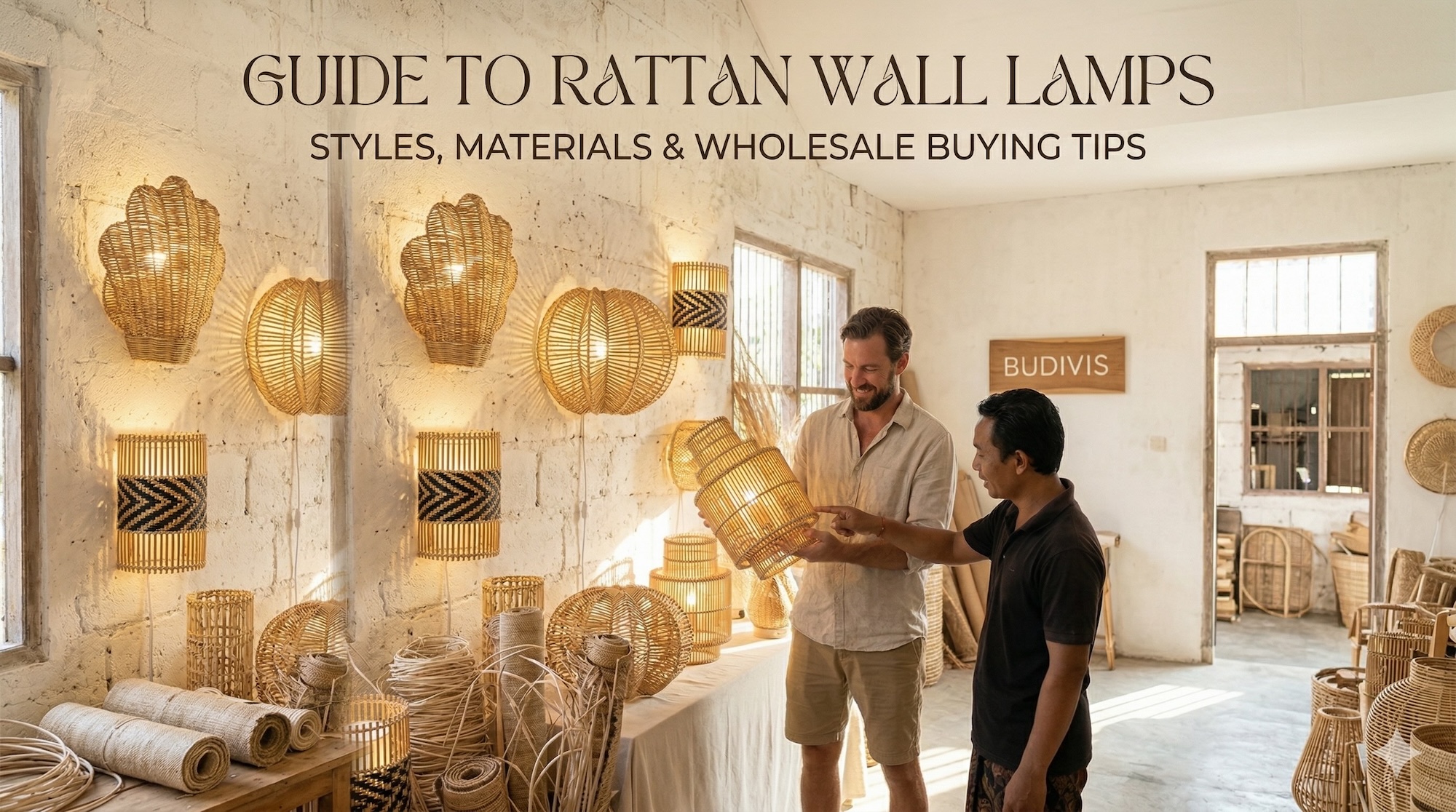
Ultimate Guide to Rattan Wall Lamps: Styles, Materials & Wholesale Buying Tips
Rattan wall lamps have become one of the most in-demand lighting products in global interior design. From boho homes in Europe to tropical villas in Bali, these natural lighting fixtures offer a perfect balance between aesthetics, sust...
- 0
- 315

Wholesale Rattan Wall Lamps: Pricing, MOQ, and Shipping Explained
For importers, wholesalers, and project buyers, understanding pricing, minimum order quantity (MOQ), and shipping logistics is essential when sourcing rattan wall lamps.Many buyers make the mistake of focusing only on product price—without ...
- 0
- 276

Top 10 Rattan Wall Lamp Designs for Boho and Tropical Interiors
Rattan wall lamps are no longer just lighting fixtures—they have become statement pieces in modern interior design. From boho homes to luxury tropical villas, these handcrafted lamps offer both functionality and artistic value.For importers...
- 0
- 300

How to Start a Rattan Lighting Business with Wholesale Suppliers
portunity—especially with the growing global demand for handmade, eco-friendly, and natural home decor products.Rattan wall lamps are one of the most attractive product categories because they are:LightweightHigh in demandVisually uniqueSuitable...
- 0
- 252

Why Importers Choose Bali for Rattan Wall Lamp Wholesale Supply
Over the past decade, Bali has become a global hub for handmade lighting, natural decor, and artisan craftsmanship, attracting importers, wholesalers, and interior designers from around the world.But what makes Bali such a strong sourcing destin...
- 1
- 300

Why Handmade Rattan Wall Lamps from Bali Are Best for Wholesale Buyers
As global demand for natural and sustainable home decor continues to grow, handmade rattan wall lamps from Bali have become a top choice for importers, wholesalers, and interior designers.But what makes Bali stand out compared to other...
- 0
- 303

Lighting Effects: How Rattan Wall Lamps Create Warm Ambient Spaces
Lighting is not just about visibility—it’s about emotion, atmosphere, and experience.In modern interior design, rattan wall lamps are widely used not only for their natural look, but for the unique lighting effects they create. From so...
- 0
- 280